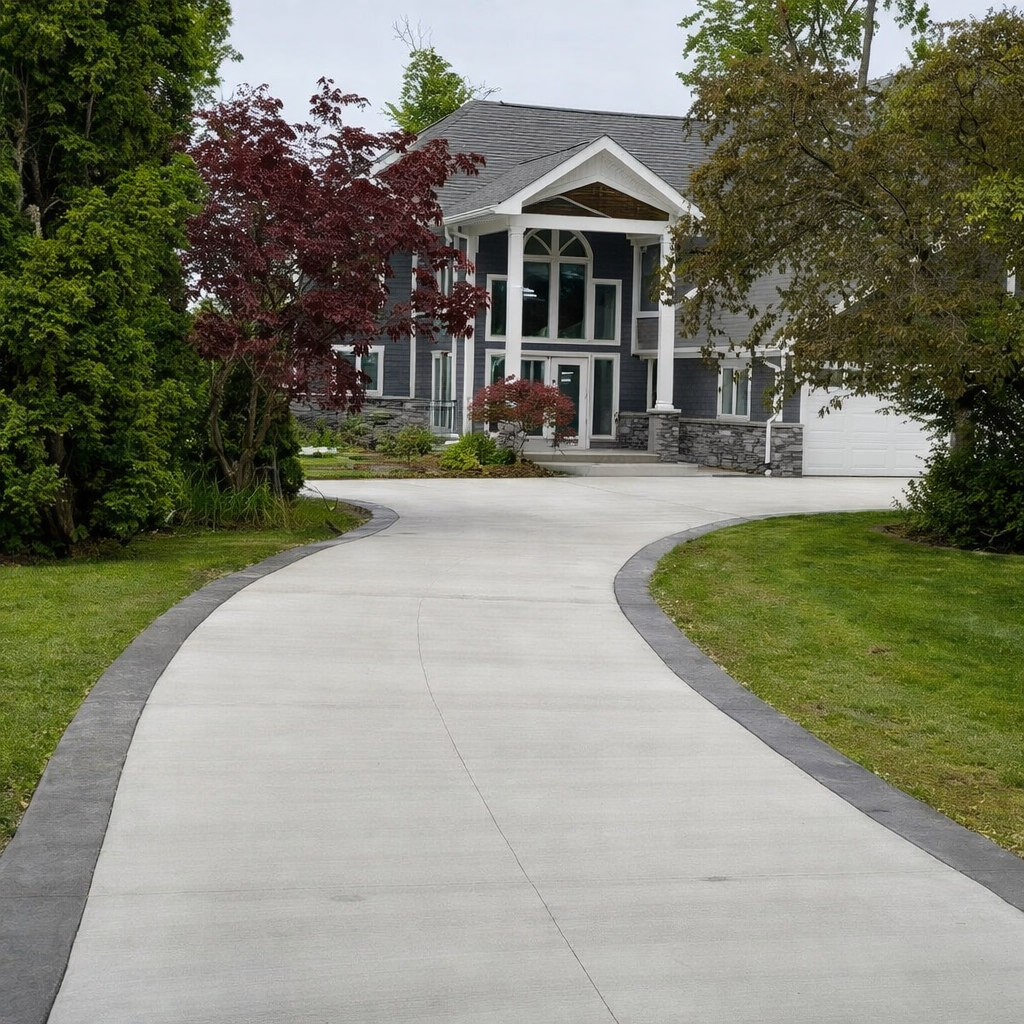
Crafting Sustainable Environments with Concrete: A Guide for Green Builders Jul 10, 2026
Concrete is a ubiquitous component in construction due to its durability, strength, and versatility. However, its environmental impact is often scrutinized due to the carbon emissions associated with its production. To address these concerns, the industry is developing several sustainable concrete solutions that minimize ecological footprint while maintaining structural integrity.
One of the key strategies in crafting sustainable environments with concrete is the incorporation of recycled materials. Using industrial byproducts such as fly ash and slag cement not only reduces waste but also decreases the need for traditional cement, cutting down on CO2 emissions. These recycled materials can replace a significant portion of the cement in concrete mixes, allowing for the creation of high-performance concrete that is both strong and eco-friendly.
Additionally, the use of lightweight concrete is gaining traction among green builders. Lightweight concrete involves replacing regular aggregate materials with lighter alternatives such as expanded clay, shale, or polystyrene beads. This innovation not only enhances thermal insulation, leading to reduced energy consumption for heating or cooling but also reduces the overall weight of the structure, thus lowering transportation and construction emissions.
Permeable concrete is another breakthrough in sustainable construction. This type of concrete helps to manage stormwater runoff and improve water quality by allowing water to percolate through the surface and return to the groundwater. It is particularly beneficial for urban areas where impervious surfaces are prevalent, contributing to reduced flooding risks and enhanced groundwater recharge.
Furthermore, the longevity and durability of concrete should not be overlooked in discussions of sustainability. Structures built with concrete benefit from high resilience to natural disasters, reducing the need for frequent repairs or reconstruction, which can consume additional resources. Long-lasting buildings offer both economic and environmental benefits over their lifespan, reducing the carbon footprint incrementally when compared to less durable materials.
To maximize the benefits of using concrete in sustainable construction, collaboration with specialists such as Deerbrook Construction is crucial. From selecting the appropriate concrete mix to optimizing construction techniques, our expertise can help ensure that your building project meets the desired environmental standards without compromising on quality.
As the green building trend continues to grow, it is important for builders to stay informed about the latest advancements and practices in sustainable construction. Embracing these innovations not only helps address environmental concerns but also positions your projects as forward-thinking and responsible, appealing to a growing market of environmentally-conscious consumers.
In conclusion, crafting sustainable environments with concrete requires a careful balance of technology, materials, and expertise. By leveraging new advancements and collaborating with knowledgeable partners like Deerbrook Construction, builders can achieve their sustainability goals while creating durable, efficient, and environmentally-friendly structures. Sustainable building with concrete not only shapes the future but also contributes positively to the environment, ensuring a healthier planet for generations to come.
/filters:no_upscale()/filters:format(webp)/media/b7d504a1-87d5-4613-b748-07d99468e9f5.png)