Adapting to Urban Challenges: Advanced Concrete Applications in Cityscapes Jul 02, 2026
Concrete's adaptability makes it a preferred choice for city planners looking to solve complex infrastructural problems. Modern technological advancements have enhanced the properties of concrete, making it more resilient and sustainable. High-performance concrete, for instance, offers exceptional strength and durability, crucial for supporting the massive structures found in urban areas. This advanced type of concrete can better withstand the stress of heavy traffic, reduce maintenance needs, and extend the lifespan of bridges and overpasses.
The sustainability of concrete further amplifies its value in urban planning. With growing concerns about environmental impact, cities are increasingly turning to eco-friendly construction materials. By integrating fly ash and slag into their mixtures, Deerbrook Construction offers sustainable concrete solutions that reduce the carbon footprint associated with conventional cement. These green alternatives not only match traditional concrete in strength and durability but also align with global efforts toward more sustainable development practices.
Another exciting application of advanced concrete is in stormwater management, a critical concern for urban areas prone to flooding. Permeable concrete is transforming how cities manage water runoff. By allowing water to pass through its porous surface, permeable concrete reduces the burden on drainage systems and minimizes the risk of flooding. Deerbrook Construction actively promotes the use of permeable pavements, which also contribute to urban beautification, as these solutions often blend seamlessly with green spaces.
Urban heat islands present another significant challenge that concrete can address. Traditional asphalt and some types of concrete can absorb and retain heat, exacerbating temperature rises in city environments. However, the latest concrete technologies provide solutions for mitigating these effects. Reflective or light-colored concrete surfaces reflect more sunlight, keeping cities cooler. The strategic use of such materials can significantly contribute to reducing energy consumption for cooling, thus supporting urban sustainability goals.
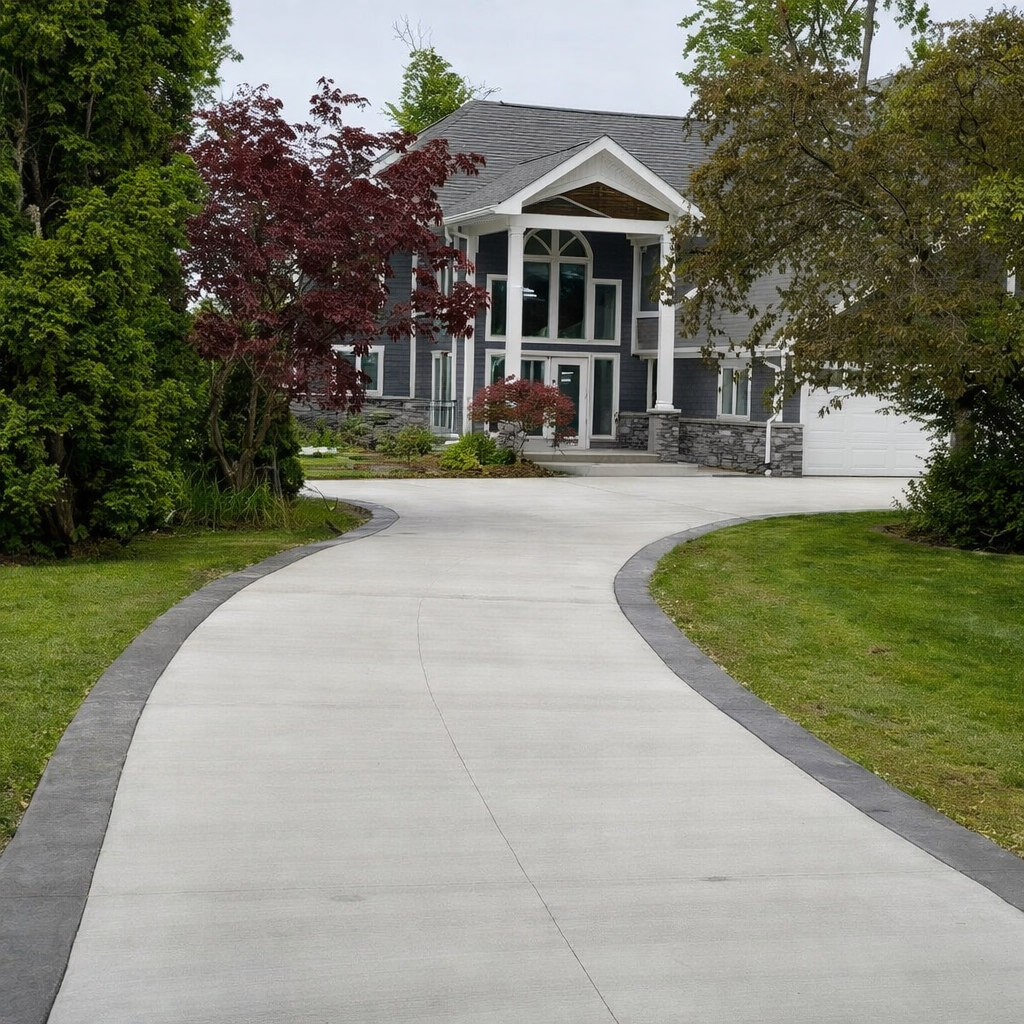
The versatility of concrete is further demonstrated in its aesthetic potential. Urban environments today are not just about functionality but also about creating visually appealing spaces. Decorative concrete techniques such as stamping or staining allow for creative expressions that enhance the beauty of cityscapes. Deerbrook Construction's expertise in decorative applications delivers attractive finishes that meet both aesthetic desires and functional needs, ensuring that public spaces remain enticing and enjoyable for the community.
Lastly, the adaptability of concrete extends to its role in smart city infrastructures. With a growing focus on integrating technology into urban planning, concrete is evolving to meet the needs of smart cities. Deerbrook Construction is exploring innovative solutions like conductive concrete, which can support the burgeoning demand for better-integrated infrastructures, including electric vehicle charging systems and sensor-embedded pavement.
In conclusion, the deployment of advanced concrete applications in urban environments addresses a multifaceted array of challenges faced by modern cities. From sustainability to safety, concrete's evolving role in cityscapes highlights its importance in shaping the future of urban living. Deerbrook Construction remains committed to pioneering these advancements, ensuring that our cities are not only more resilient but also more beautiful and sustainable. As urban landscapes continue to transform, adapting construction materials like concrete remains key to building the cities of tomorrow.
/filters:no_upscale()/filters:format(webp)/media/b7d504a1-87d5-4613-b748-07d99468e9f5.png)